
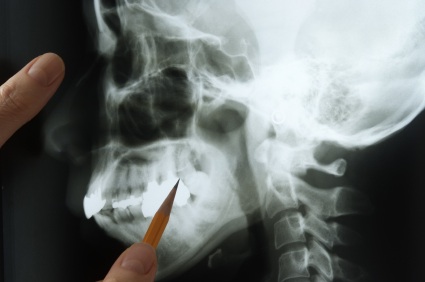
 What should you do when a dental emergency strikes? Knowing which symptoms demand immediate care—and acting fast—can mean the difference between saving or losing a tooth.
Don’t Gamble with Your Smile—Know When It’s an Emergency
Every minute matters when a dental emergency strikes. Pain, swelling, or a knocked-out tooth can escalate quickly, turning a manageable problem into a serious health threat. The Center for Dental Anesthesia provides emergency dental care to patients throughout Alexandria, VA, and Washington, DC, helping them get fast, effective relief when they need it most. Led by Dr. Zeyad Mady, Dr. Fatemeh Mojarrad, and Dr. Pouria S. Rahini-Madjzoub, the practice takes a compassionate, patient-centered approach to urgent treatment. Prompt care reduces pain, preserves teeth, and prevents complications that are far more difficult to treat later.
What Actually Qualifies as a Dental Emergency?
Not every dental problem requires a same-day visit, but some absolutely do. Severe or persistent tooth pain that won’t subside, knocked-out or partially dislodged teeth, and cracked or broken teeth with sharp edges all warrant immediate attention. Swelling of the gums, face, or jaw—especially when accompanied by fever—signals a potential infection. Lost fillings or damaged crowns that expose sensitive tooth structure, dental abscesses, and bleeding after trauma that won’t stop are equally urgent. When in doubt, contact your dentist right away.
Why Waiting Can Put Your Jawbone at Risk
Delaying treatment after a dental emergency rarely leads to a better outcome. Untreated infections can spread into surrounding bone, causing lasting structural damage that becomes increasingly difficult to reverse. A knocked-out or lost tooth, if not addressed quickly, can trigger jawbone deterioration as the bone loses the stimulation it depends on from the tooth’s root. Preserving natural teeth whenever possible supports healthy bone density and maintains the facial structure that defines your appearance long-term.
What to Do Before You Arrive for Emergency Care
If a tooth has been knocked out, handle it only by the crown—never the root. Gently rinse it without scrubbing, then store it in whole milk, reposition it in the socket if possible, or keep it between your cheek and gums. Seek care immediately. For any other dental emergency, contact the dental office as soon as possible for guidance on managing symptoms before you arrive.
Symptoms That Should Never Be Ignored
Throbbing pain that disrupts sleep or daily activities is a warning sign. So is swelling paired with fever or difficulty swallowing. Sudden facial swelling combined with tooth sensitivity, trauma following sports injuries or accidents, and loose permanent teeth after an impact all require prompt evaluation. These symptoms don’t resolve on their own—and waiting only raises the risk of permanent damage.
Comfortable Emergency Dentistry for Every Patient
Dental emergencies are stressful enough without the added burden of fear or anxiety. Sedation dentistry helps patients relax during urgent treatment, making the experience more manageable for those with dental phobia, children, individuals with special needs, or anyone who struggles with traditional numbing. The team at the Center for Dental Anesthesia prioritizes a calm, supportive environment, even under pressure.
Emergency Treatments That Can Save Your Smile
Urgent dental care covers a wide range of treatments. Infections and abscesses are treated to stop spreading. Root canal therapy is performed when appropriate to save a damaged tooth. Extractions are available when a tooth cannot be preserved, and replacement options are discussed right away. Fractured teeth, broken crowns, and damaged fillings are repaired to restore both function and comfort.
How to Lower Your Chances of a Dental Emergency
Wearing a mouthguard during sports, addressing small dental problems early, attending regular exams and cleanings, maintaining daily oral hygiene, and avoiding using teeth to open packaging or bite hard objects all significantly reduce your risk of a dental emergency.
Get Fast, Compassionate Emergency Care When You Need It Most
Don’t wait when symptoms suggest something is wrong. Prompt treatment relieves pain, protects jawbone health, and dramatically improves the chances of saving a damaged tooth. Patients throughout Alexandria, VA, and Washington, DC, can contact Dr. Zeyad Mady, Dr. Fatemeh Mojarrad, or Dr. Pouria S. Rahini-Madjzoub at the Center for Dental Anesthesia for fast, comfortable emergency dental care.
Contact Center for Dental Anesthesia:
703-379-6400
Location (Tap to open in Google Maps):
5284 Dawes Ave
Alexandria, Virginia
22311
